
Introduction
SPC and vinyl plank flooring often appear side by side on commercial finish schedules, and they can look nearly identical from a few feet away. Same wood-look print, same click-lock edges, same protective sheen on top.
The real difference lives inside the plank. Core construction determines how a floor performs under foot traffic, rolling carts, temperature swings, and years of daily wear.
For commercial, institutional, and multi-site facilities across the US, that distinction has real consequences. Choosing wrong affects dent resistance, subfloor prep costs, comfort underfoot, and how disruptive replacement becomes in occupied space.
This guide breaks down SPC's rigid-core construction versus traditional flexible vinyl plank, including where SPC is specified in plank format.
Key Takeaways
- SPC’s rigid core resists dents and holds shape better than flexible PVC-based vinyl plank
- Waterproof builds, wood visuals, and wear layers are shared—core construction drives real performance gaps
- Traffic, furniture loads, subfloor condition, and acoustic needs matter more than price alone
- Commercial and multi-site programs hinge on phasing, procurement, and installation coordination—not unit price
SPC Flooring vs Vinyl Plank: Quick Comparison
Cost
SPC pricing varies widely based on thickness, wear-layer quality, backing type, and whether the product carries a commercial rating. Traditional flexible vinyl plank sometimes enters the market at a lower price point, but material price alone rarely reflects installed cost.
- Subfloor prep, adhesive selection, and labor rates shift the total project cost significantly
- Commercial-grade products from either category often cost more than residential lines
- Always compare quotes using the same wear-layer thickness and installation method
Composition and Structure
According to the Resilient Floor Covering Institute, SPC (solid polymer core) is a dense, rigid construction within the broader rigid-core LVT family, typically built from calcium carbonate and PVC. The layers stack up as:
- Backing layer
- Rigid composite core
- Printed design layer (the wood or stone visual)
- Protective wear layer Flexible vinyl plank uses a softer PVC-based core instead. RFCI notes that flexible LVT can be manufactured as tile or plank, so the plank shape alone doesn't tell you which core is inside.
Durability and Dent Resistance
SPC's rigidity generally translates to better resistance against indentation from heavy furniture legs and rolling equipment. One manufacturer's SPC product reported a residual indentation of just 0.18 mm under ASTM F1914 testing. That is a single product's verified result, not a category-wide guarantee, so check the spec sheet. Flexible vinyl plank relies more heavily on its wear layer for scratch and scuff resistance. The softer core underneath can be more vulnerable to concentrated loads, like a hospital bed caster or a filing cabinet corner.

Comfort and Sound
SPC feels firmer underfoot. An Intertek acoustic test of a 7 mm SPC product (6 mm core plus a 1 mm attached pad) over a 6-inch concrete slab recorded an IIC of 52 and STC of 52. A well-designed underlayment can close much of the acoustic gap. Flexible vinyl plank typically feels softer and more yielding. Verify acoustic ratings for the specific product and underlayment pair rather than assuming category averages.
Installation and Subfloor
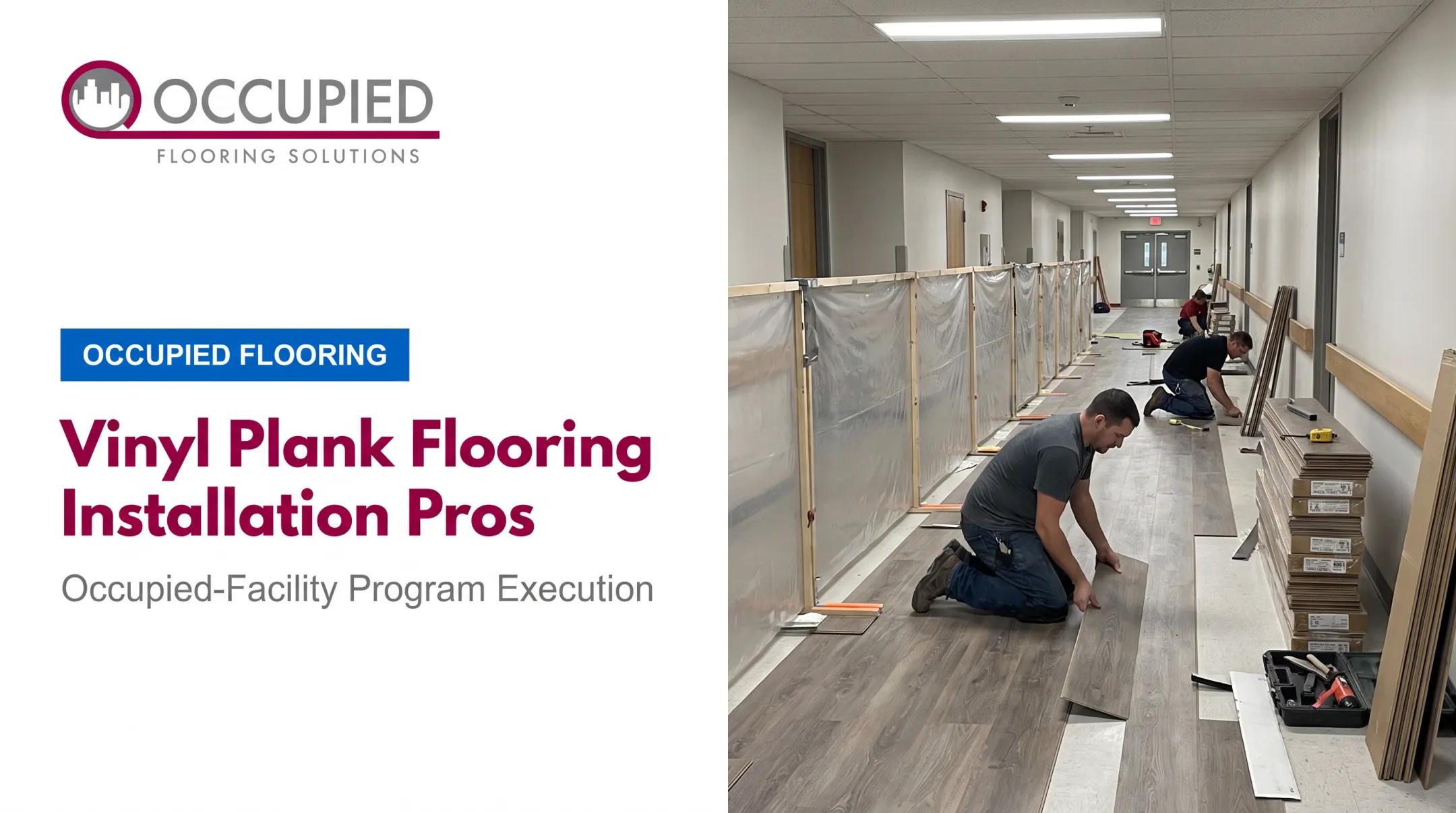
- SPC: Usually floating click-lock; some commercial corridors and rolling-load zones require full glue-down
- Flexible vinyl plank: Available in both click-lock and glue-down formats
- Flatness tolerances (often 1/8 inch over 6 feet, or 3/16 inch over 10 feet) apply to both categories
- Flexible products tend to telegraph subfloor bumps and dips more visibly than rigid SPC
What is SPC Flooring?
SPC stands for stone plastic composite, and the acronym describes the core, not the plank's visual format. SPC can be manufactured as a plank, so SPC and luxury vinyl plank (LVP) aren't opposite categories. An SPC plank is simply an LVP with a rigid core inside.
Typical construction includes:
- A backing or underlayment layer (sometimes attached foam or cork)
- The rigid composite core (the defining feature)
- A printed design layer for wood or stone visuals
- A protective wear layer on top
Always verify the exact formulation from a current technical data sheet, since recipes vary by manufacturer and product line.
Why the Rigid Core Matters
The dense core delivers three practical advantages:
- Greater dimensional stability, with less expansion or contraction during temperature swings
- A heavier, more substantial feel underfoot
- Better dent resistance under concentrated loads such as furniture feet
Waterproof Claims Need Context
"Waterproof" describes the plank material, not necessarily the entire floor assembly. Seams, edge details, subfloor moisture, and installation quality all affect real-world water performance. Before assuming a space is fully protected, confirm:
- Wear-layer thickness
- Overall plank thickness
- Locking-system requirements
- Static-load limits and radiant-heat compatibility
- Warranty terms and applicable ASTM testing
Where SPC Fits Best
SPC's rigidity suits high-traffic corridors, offices, retail floors, institutional spaces, and areas with heavy furniture or rolling carts. Specialized environments such as healthcare or laboratory settings need a separate suitability check, since performance and compliance requirements can differ.
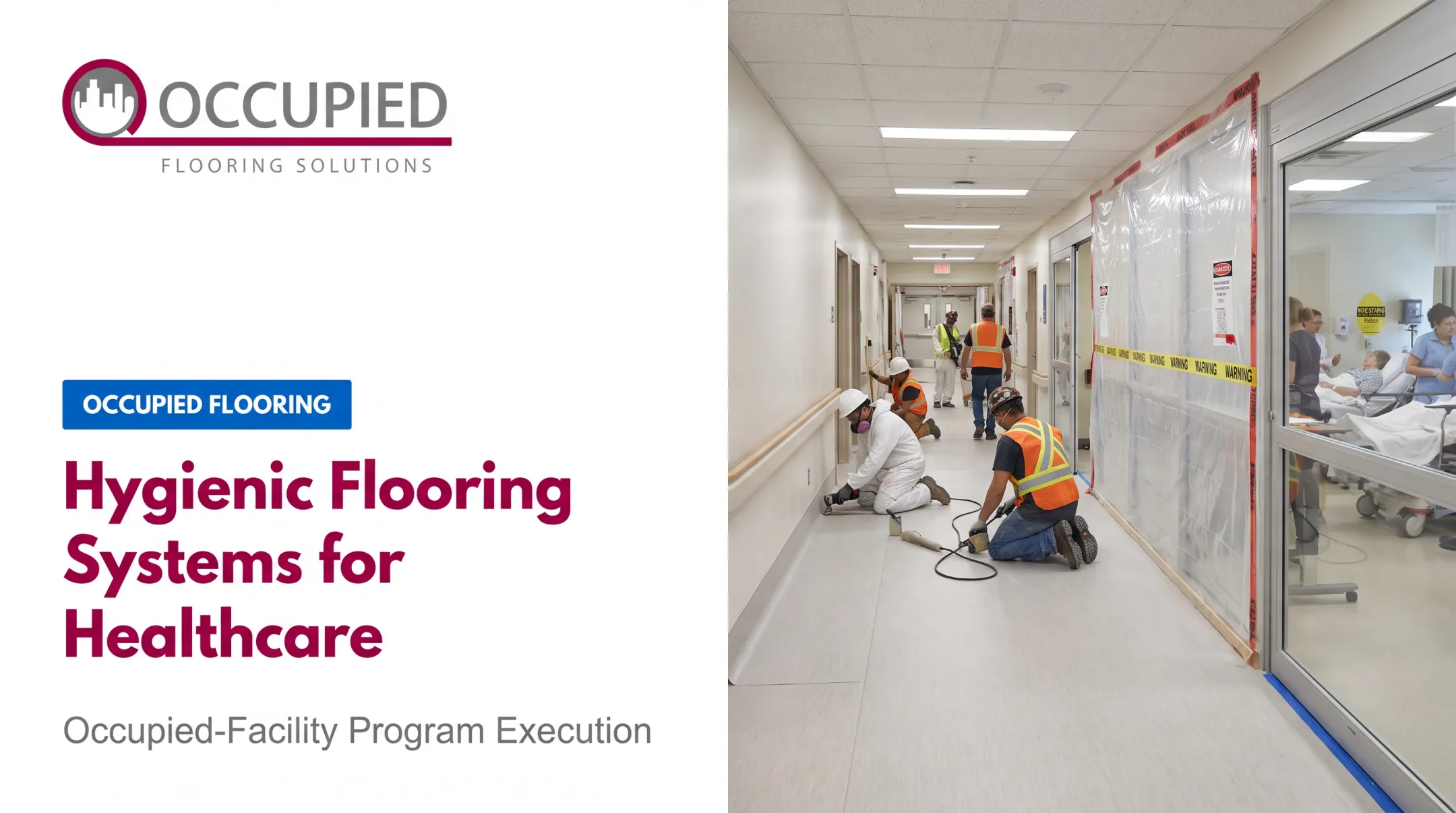
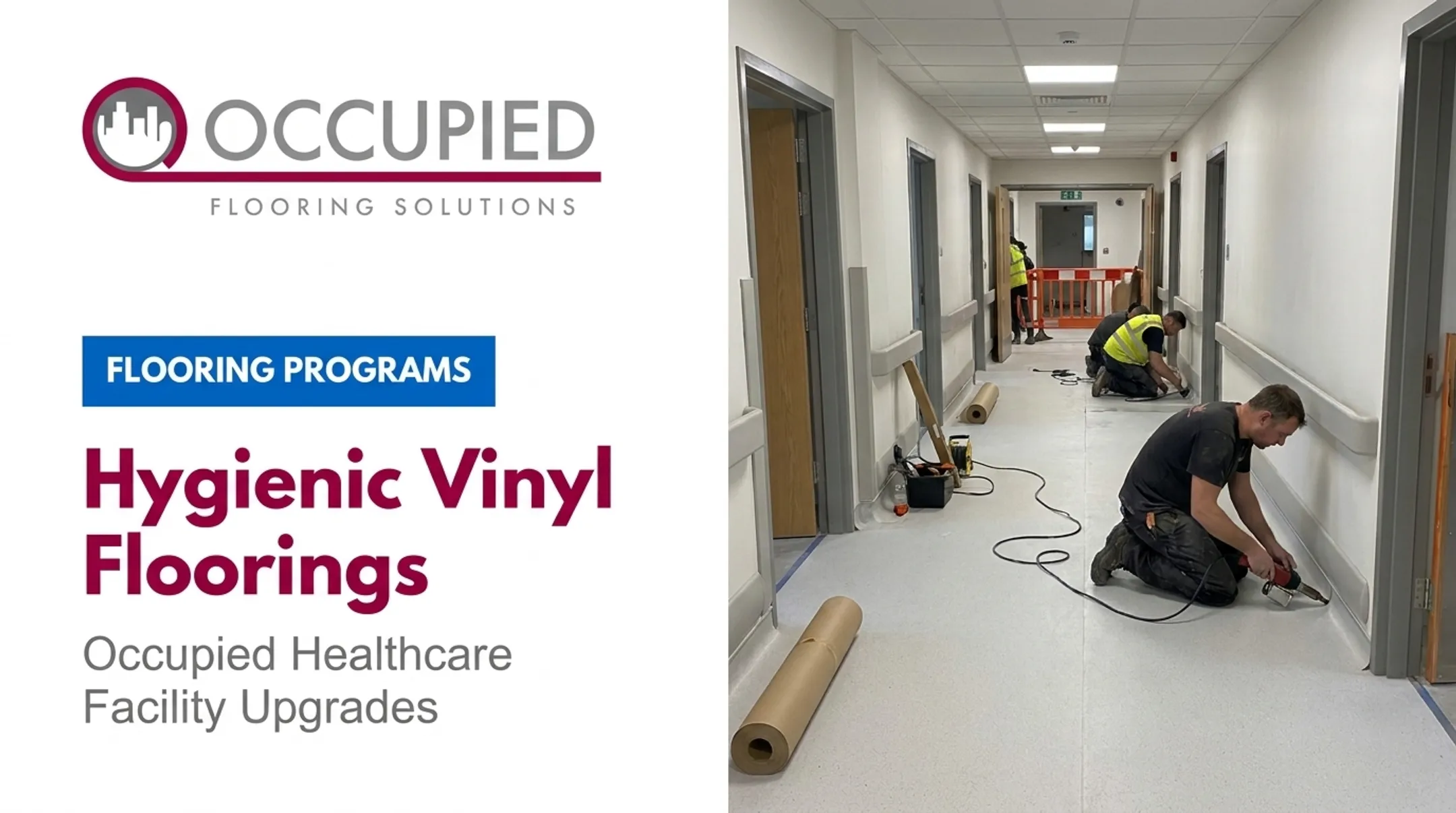
For occupied renovations, SPC's floating installation option supports phased, zone-by-zone work with limited adhesive use. Actual disruption still depends on installer logistics and site conditions.

What is Vinyl Plank Flooring?
Traditional or flexible vinyl plank (often called LVP) is built around a softer PVC-based core. Note that "LVP" can also describe planks with rigid SPC cores, so the term alone doesn't confirm the construction.
Shared surface features include:
- Decorative wood-look film layer
- Protective wear layer
- Backing material
- Optional attached or separate underlayment
Surface durability comes largely from the wear layer and overall product quality, not the core type alone. A thick wear layer on a flexible plank can outperform a thin wear layer on an SPC product in surface scratch resistance.
Practical Benefits
Flexible vinyl plank feels softer and more comfortable underfoot, which matters in offices, classrooms, and other high-occupancy spaces where people stand for long periods. Specifiers also often weigh:
- Lower initial material cost in many product ranges
- Extensive design variety for matching interior standards
Where the Limits Show Up
Flexible plank has clear trade-offs on commercial projects:
- Greater sensitivity to subfloor irregularities; bumps and dips can telegraph through over time
- Higher indentation risk under concentrated loads, such as heavy systems furniture
- Temperature, sunlight, and moisture limits that must be confirmed in the manufacturer's documentation before specifying
Click-Lock vs. Glue-Down
Installation method affects performance, repairs, and scheduling:
- Click-lock flexible LVP floats over the subfloor, allowing some flexibility during installation but limited resistance to subfloor imperfections
- Glue-down vinyl plank bonds directly to the substrate, which changes repairability, acoustics, and project scheduling
Glue-down is often specified for high-traffic commercial areas needing a firmly bonded floor, or where individual-plank replacement is a priority. Substrate prep becomes critical here, especially in visible areas.
SPC vs. Vinyl Plank: What's Actually Better?
There's no universal winner. The right choice depends on core performance, traffic patterns, subfloor condition, moisture exposure, and comfort priorities.
Choose SPC when:
- Dent resistance and dimensional stability are top priorities
- Traffic includes rolling carts, heavy furniture, or high foot volume
- Temperature variation is a concern (near windows, in mechanical areas)
Choose flexible vinyl plank when:
- Softer underfoot feel and acoustic comfort matter more than maximum rigidity
- A glue-down application is required for a specific commercial use case
- The substrate can be properly leveled and prepared
Waterproof marketing language doesn't eliminate the need for moisture testing, seam management, and correct expansion planning. That homework applies regardless of which core you choose.
Run this commercial checklist before you commit either way.
A Commercial Selection Checklist
- Define traffic type and furniture/rolling loads for the space
- Inspect the substrate against manufacturer flatness and moisture requirements
- Confirm phasing and access constraints for occupied areas
- Review product data sheets, not just marketing claims
- Plan spare stock and a repair strategy in advance
- Document warranties and maintenance requirements
For multi-site portfolios, the flooring material is only part of the equation. Standardized specifications, regional installer capability, and schedule control matter just as much.
Occupied Flooring Solutions supports portfolio teams by coordinating controlled occupied flooring programs across facilities without disrupting daily operations. Between product choice and on-schedule install, that program layer is often what keeps multi-site work on track.
Real-World Examples
Flexible glue-down plank — Vandebilt Catholic High School, Houma, Louisiana. Karndean's documented case study describes a renovation covering classrooms, hallways, the student union, chapel, and multipurpose gymnasium.
The gym received Natural Prime Oak VGW115T, a 3.0 mm glue-down plank, chosen for its bonded, permanent installation in a high-activity space. The project ran from August 2022 through fall 2025, and the school president called the renovated spaces "transformational for our campus."
That's a documented reaction to the completed project, not a measured wear or acoustic outcome.
SPC in commercial rolling-load zones. Manufacturer installation guidance for commercial SPC products specifically requires full glue-down application in corridors and rolling-load areas. The same products otherwise permit floating installation elsewhere in a building.

This is a documented installation requirement, not a completed project case study. It shows how facility managers adjust installation method based on load conditions rather than relying on the core alone.
Comparing the two: Both examples involved institutional or commercial settings with meaningful traffic:
- Glue-down flexible plank — chosen for permanence in a high-use gymnasium
- SPC glue-down requirement — driven by rolling-load stress in corridors
Neither result generalizes to every product in its category, but both show that installation method often matters as much as core type.
Situational takeaway:
- SPC — best when rigidity and dimensional stability drive the decision
- Flexible vinyl plank — best when comfort, acoustic feel, or a permanent bond is the priority
If you're managing flooring specifications across a facility or a multi-site portfolio, Occupied Flooring Solutions can help coordinate phased installation and occupied-renovation logistics alongside your product decision.
Conclusion
Neither SPC nor vinyl plank wins by default. Each construction does a different job, and the right pick depends on conditions in the building—not the marketing label on the box.
Match the product to:
- Traffic load and use pattern
- Subfloor condition and flatness
- Installation method and phasing needs
- Long-term maintenance plan
Commercial buyers should judge the full program, not only the plank. Review product documentation, installation quality, phasing, and warranty tracking before a purchase order goes out.
For occupied or multi-site work, compare verified technical data and get a site-specific recommendation first. Core construction is a poor place to guess.
Frequently Asked Questions
Which flooring is better, SPC or luxury vinyl plank?
SPC prioritizes rigidity, dent resistance, and dimensional stability, while traditional luxury vinyl plank prioritizes flexibility and underfoot comfort. The better option depends on your site conditions and the specific product's tested performance.
What is the main difference between SPC and vinyl plank flooring?
The primary difference is core construction: SPC uses a rigid, dense composite core, while traditional vinyl plank uses a softer, flexible PVC-based core. SPC itself can be manufactured in a luxury vinyl plank format.
Is SPC flooring more durable than traditional vinyl plank?
SPC often shows stronger dent and impact resistance thanks to its rigid core, while surface scratch resistance depends mainly on the wear layer in either product. Always check verified manufacturer testing rather than assuming durability based on core type alone.
Does SPC flooring require less subfloor preparation than vinyl plank?
SPC may tolerate minor substrate imperfections slightly better due to its rigidity, but both systems require a substrate meeting the manufacturer's flatness, moisture, and cleanliness specifications. Skipping prep work risks warranty issues either way.
Is vinyl plank more comfortable and quieter than SPC?
Flexible vinyl plank often feels softer underfoot, but SPC can perform comparably well acoustically when paired with an appropriate attached or separate underlayment. Check product-specific IIC and STC ratings before deciding.
Which flooring is better for commercial or occupied spaces?
It depends on traffic, loads, substrate condition, phasing needs, and repair strategy. SPC fits demanding loads and rolling traffic, while flexible or glue-down vinyl plank suits comfort or permanent-bond priorities.