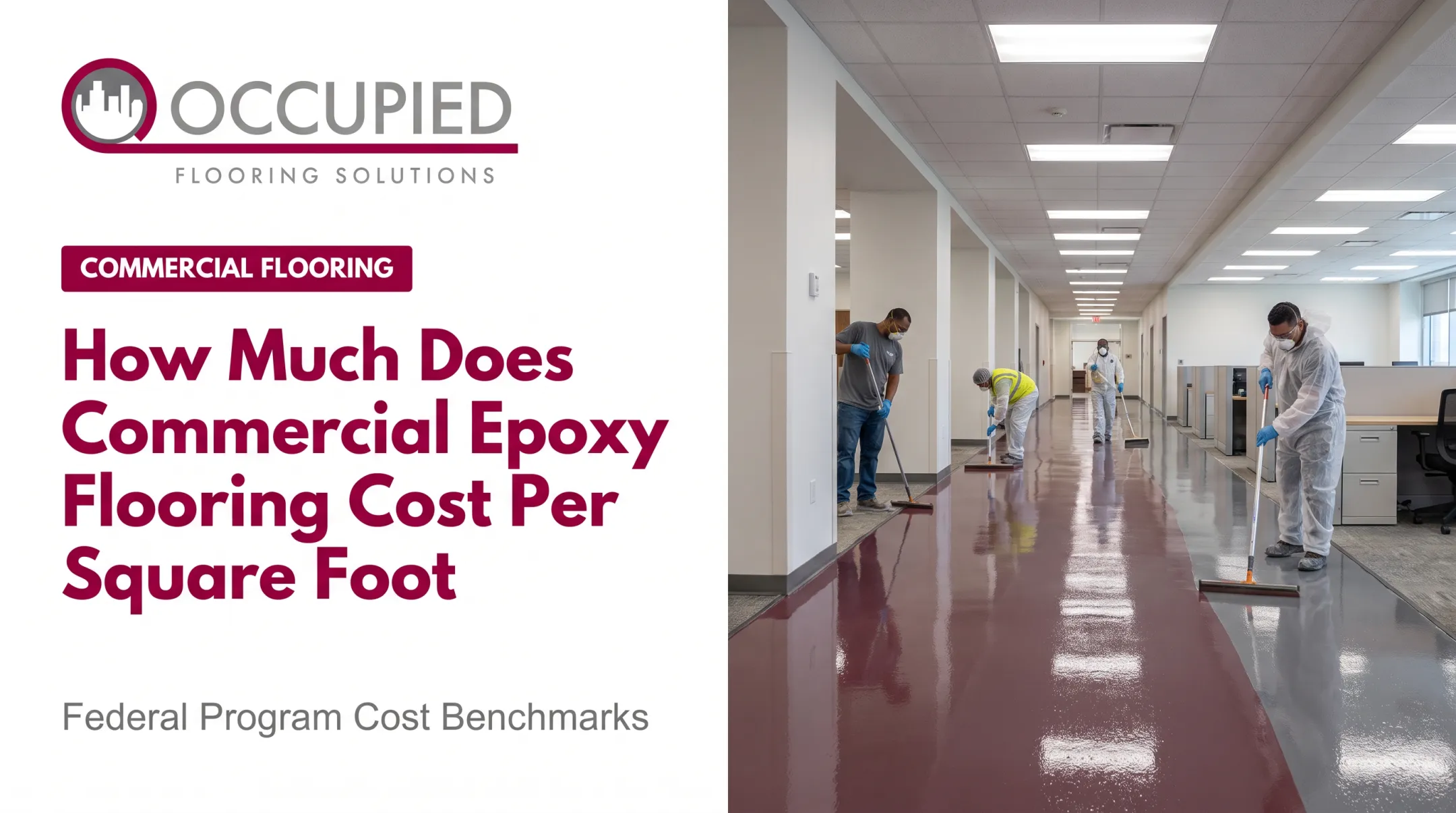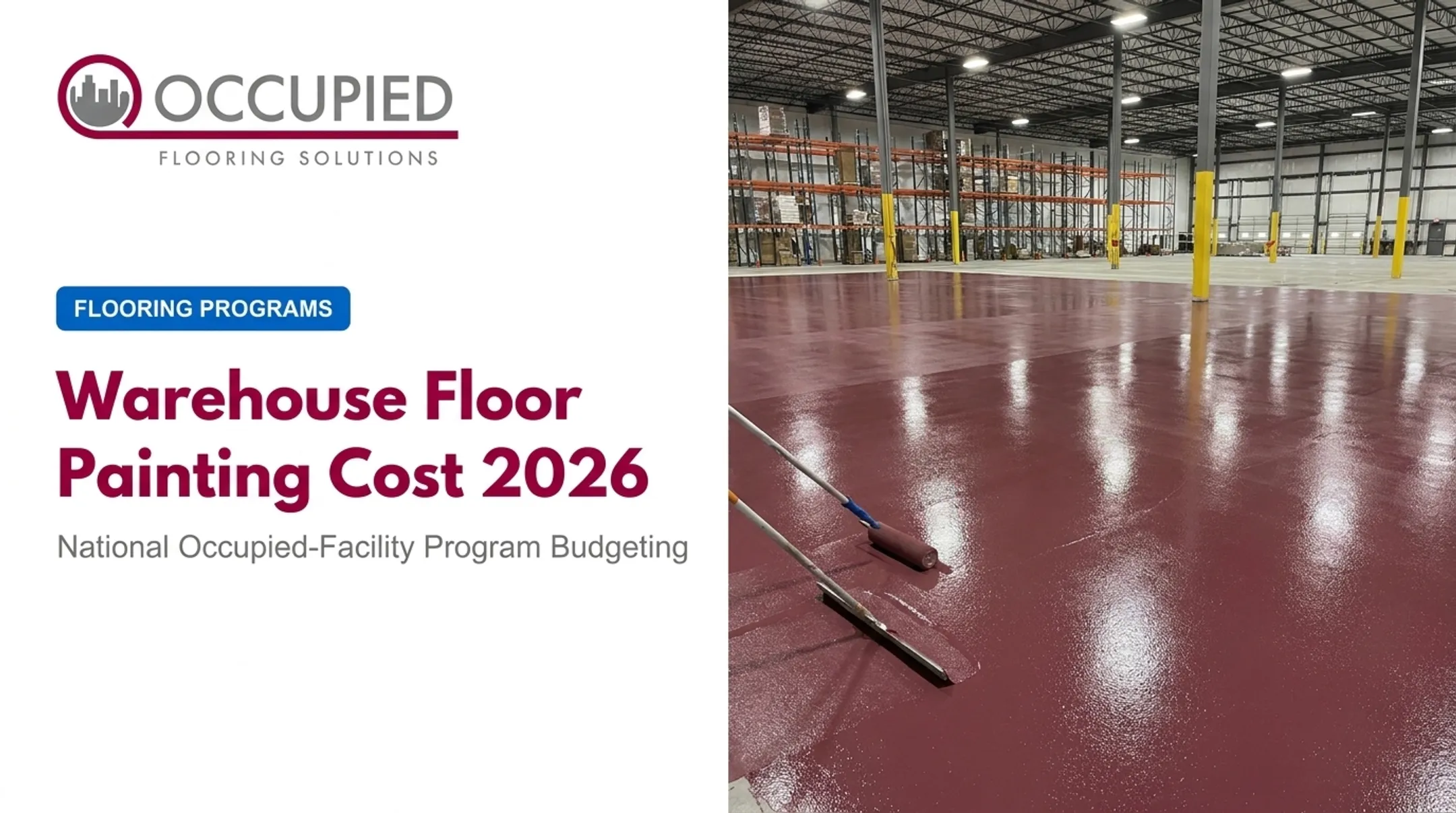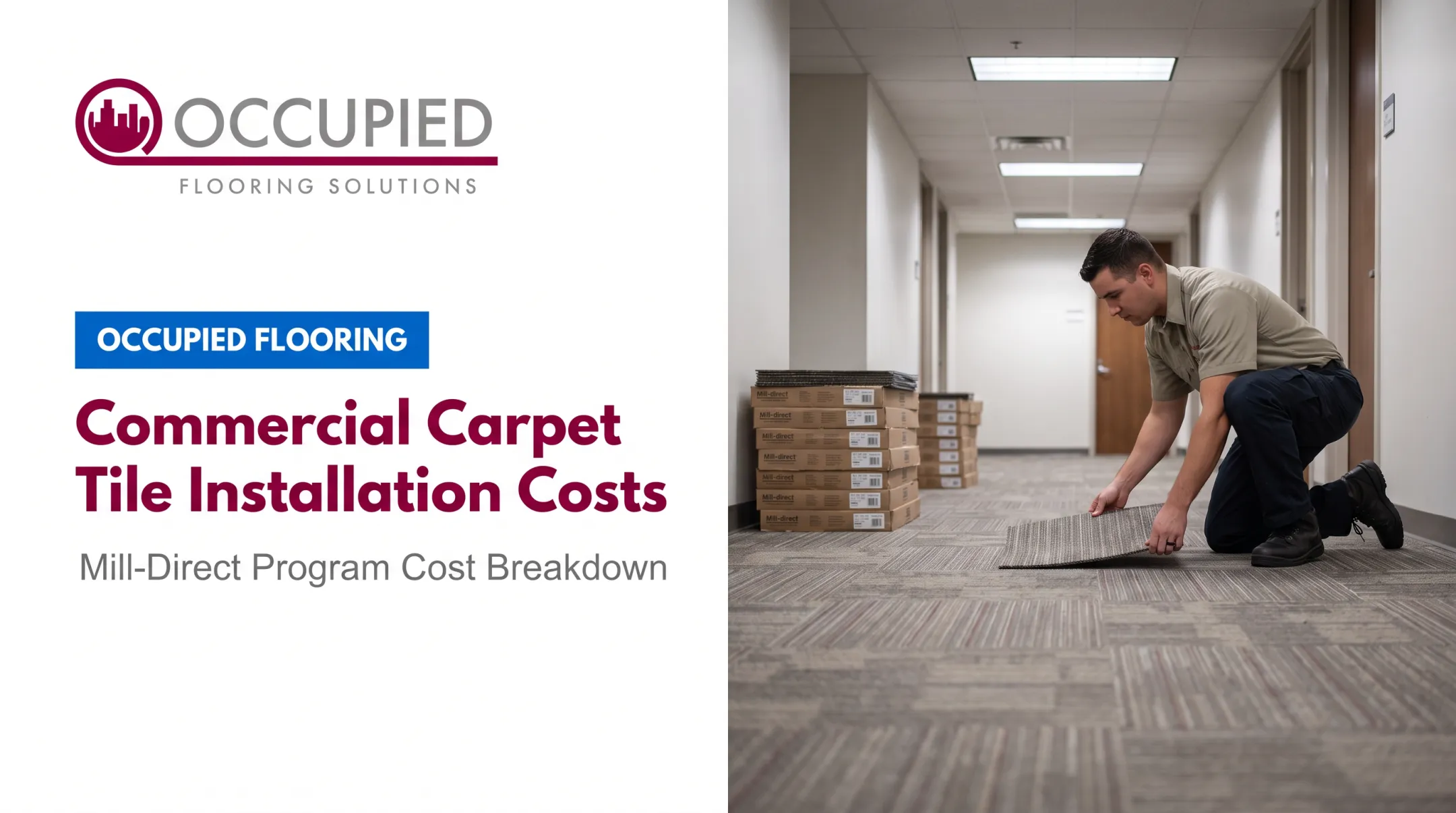

Contractors typically price jobs based on the actual paintable surface area—the square footage of the walls and ceilings—not the building's footprint. Factors like surface condition, interior vs. exterior work, access requirements, and the type of paint specified can significantly alter the final cost.
This guide breaks down the key factors that influence commercial painting costs. We'll explore how pricing is structured, what drives costs up or down, and how to develop a realistic budget for your facility.
Key Takeaways
- No fixed national price—published figures are planning ranges only and need site validation.
- Use paintable surface area (wall length × height), not floor area, for preliminary estimates.
- Biggest cost drivers: surface prep, labor, access equipment, and the coating system.
- Clean, vacant spaces land lower; repairs, hard access, or specialty coatings push cost up.
- Budget for lifecycle value—balance upfront cost with durability and operational continuity.
How Much Does Commercial Painting Cost? (Pricing Overview)
Commercial painting doesn’t come with a standard, national price tag. Online cost ranges are useful for preliminary planning, but they are not a substitute for a detailed, site-specific estimate from a qualified contractor. The final price is a direct result of your project's unique scope and conditions.
First, understand how contractors measure the job. Most don't use your building's floor-area footprint. They calculate paintable surface area instead.
Floor Area vs. Paintable Surface Area
Imagine a 1,000-square-foot office with 10-foot-high walls. The floor area is 1,000 sq ft, but the paintable wall area could be 1,400 sq ft or more, depending on the layout.

- The Basic Calculation: The simplest way to estimate paintable area is to measure the length of all the walls you plan to paint and multiply that by their height.
- Additional Surfaces: Ceilings, columns, trim, doors, railings, and exposed structural elements should be measured and added separately.
- Openings: Some contractors deduct windows and garage doors; others include them to cover cutting-in labor. Ask each bidder which method they use.
Practical Pricing Bands
Price tracks complexity more than any single national rate. Most commercial painting projects fall into one of three bands.
- Entry-Level / Straightforward Work: Clean, accessible surfaces in good condition with minimal repairs—new construction or a vacant, well-maintained space.
- Standard Commercial Work: Typical prep (cleaning, minor patching), multiple rooms or elevations, ladders or small lifts, plus a specified primer and two-coat finish.
- Complex or Premium Work: Extensive repairs, scaffolding or swing stages, specialty coatings (epoxies, anti-corrosion), or strict controls in an occupied facility.
Generic per-square-foot ranges often exclude items that are typically quoted separately:
- Major substrate repairs (such as concrete spalling or extensive water damage)
- Lead paint abatement or handling of other hazardous materials
- Large-scale scaffolding, boom lifts, or swing stages
- Extensive protection of sensitive equipment or inventory
- Permits, waste disposal, and furniture relocation
- Night, weekend, or holiday work premiums
- Special security or access requirements for sensitive sites
Key Factors That Affect the Cost of Commercial Painting
A per-square-foot rate is an output, not an input. It reflects the technical and operational variables that set the true scope of work—and knowing them helps you compare bids and build a realistic budget.
Type of Project and Surface
The material being painted is a primary cost driver. Each substrate has different preparation needs.
- Interior drywall: Usually the simplest surface; new drywall still needs a dedicated primer before finish coats
- Exterior façades: Concrete, masonry, stucco, and metal each need different cleaning methods and weather-rated coating systems
- Warehouses and industrial spaces: Large repetitive walls paint efficiently; exposed or structural steel needs specialized prep and anti-corrosion primers
- Detailed interiors: Offices, clinics, and retail add trim, doors, and partitions that raise cutting-in and detail labor
Surface Condition and Preparation
Surface condition is the most critical—and most often underestimated—cost driver. According to a Sherwin-Williams guide, inadequate prep can account for as much as 80% of coating failures. A low bid that shortcuts prep is rarely a bargain.

Proper preparation can include:
- Pressure washing and cleaning to remove dirt, grease, and chalking
- Scraping and sanding to remove loose or failing paint
- Caulking joints and patching cracks or holes
- Treating rust on metal surfaces
- Treating mildew
- Applying a substrate-specific primer or sealer
Paint, Coatings, and Number of Coats
The material itself impacts the budget. A standard commercial acrylic latex paint is less expensive than a high-performance specialty coating.
- Standard vs. specialty coatings: Durable low-VOC, elastomeric, epoxy, fire-rated, or moisture-resistant systems cost more than standard acrylic latex
- Color and sheen: A dark-to-light change may need primer plus extra coats, raising material and labor cost
- Number of coats: New or bare surfaces typically need one primer coat and two finish coats; a simple refresh may need only one
Building Height, Access, and Safety
Painting a one-story building is very different from painting a multi-story facility. As soon as painters have to leave the ground, costs increase.
- Equipment: Scissor lifts, boom lifts, and scaffolding add significant rental, delivery, and setup costs to the project.
- Safety: Working at height requires fall protection, safety monitoring, and often pedestrian or traffic control, all of which add to the labor budget.
Occupancy, Scheduling, and Operational Continuity
Painting in a vacant building is far more efficient than working around employees, customers, or sensitive operations. For occupied facilities, scheduling is a major cost driver.
- Phasing and off-hours work: Active offices, retail, or government sites often need night, weekend, or phased shifts—raising labor via premiums and repeated setup
- Protection and controls: Occupied spaces need furniture and equipment protection plus dust and odor controls
- Security and coordination: Government and healthcare sites may require badging, escorts, and extra project-management hours
Those occupancy constraints are why experienced occupied-renovation partners matter for active portfolios. Occupied Flooring Solutions runs cyclical floor-and-paint programs with night and weekend protocols so finishes can be refreshed without stopping daytime operations.
Commercial Painting Cost Breakdown
A reliable proposal should break down costs so you can compare bids on an equivalent basis. Look for these key components:
- Initial preparation and protection: Scope-dependent upfront work including cleaning, masking floors, protecting equipment, containment, repairs, and priming.
- Labor and supervision: Often the largest component. Covers crew hours for prep and painting, project management, safety coordination, quality checks, and final touch-ups. May be priced per square foot, per hour, or lump-sum.
- Paint and coating materials: Primer and finish coats priced by product grade, coat count, and specialty performance requirements. Volume discounts may apply on large projects.
- Equipment, access, and site logistics: Lifts, scaffolding, sprayers, temporary barriers, waste disposal, and permits. Occupied sites also include after-hours work logistics.
- Warranty, maintenance, and future repainting: Warranty coverage, expected coating service life, and maintenance requirements. Portfolio managers fold this into long-term asset lifecycle planning.
How to Estimate the Right Budget for Commercial Painting
Build your budget around performance requirements and operational needs, not the lowest per-square-foot price. That framing protects long-term value instead of locking you into a thin scope.
Build a Preliminary Measurement Take inventory of the spaces you need painted. Record the length and height of each wall, note if ceilings are included, and list any other surfaces like doors, trim, or columns. Separate your interior and exterior quantities. This gives you a paintable surface area to use for initial planning.
Define the Required Scope Before Requesting Bids A detailed scope of work is your best tool for getting accurate, comparable bids. Specify everything:
- Surfaces to be painted
- Required preparation standards
- Primer, product, sheen, and number of coats
- Colors for each area
- Repair and protection requirements
- For occupied sites: document required working hours, security protocols, dust/odor controls, and tenant communication plans.
Compare Proposals on an Equal Basis Request itemized bids that clearly show the measured area, labor costs, material allowances, equipment, and exclusions. A low quote might look attractive, but it could omit critical preparation, use inferior materials, or lack the necessary insurance and safety protocols. A higher quote isn't automatically better unless it’s backed by a clearer, more comprehensive scope.
Budget for Lifecycle Value and Portfolio Needs Think beyond a one-time project. Consider the coating's durability and the expected repainting cycle. For organizations with multiple sites, a national program can standardize specifications and keep cost and reporting visibility consistent across locations.
A program management partner can lock those standards in across sites. Occupied Flooring Solutions builds national agreements for flooring and interior painting programs, with standardized execution, reporting, and budget control across the full portfolio.

Conclusion
The commercial painting cost per square foot is a useful tool for high-level budgeting, but it is only a starting point. Final price depends on paintable area, surface condition, materials, access, and your facility’s operational needs.
To protect the finish and the budget, move past a simple square-foot rate:
- Develop a detailed scope of work
- Request itemized proposals from each bidder
- Compare contractors on technical fit and scheduling needs
Judge bids on total value—not the lowest per-foot number—so the job meets budget, uptime, and long-term asset goals.
Frequently Asked Questions
What is the commercial paint cost per square foot?
There is no universal rate, as costs are highly project-specific. Prices depend on the paintable surface area (not floor area), preparation needs, access, location, and whether it's an interior, exterior, or specialty coating project. Always get a site-specific quote.
How much should it cost to paint 1,000 sq ft?
This depends entirely on whether "1,000 sq ft" refers to floor space or the actual wall and ceiling surface. A 1,000 sq ft office with 10-foot ceilings has at least 1,400 sq ft of wall area, plus the ceiling. The final cost will be driven by surface condition, the number of coats, and access.
What is the labor cost for painting per square foot?
Labor is often the largest cost component but is hard to isolate. The U.S. Bureau of Labor Statistics reported a median painter wage of $23.40 per hour in May 2024. That figure is not a contractor's billing rate, which must also cover overhead, insurance, equipment, and profit.
What is the typical cost to paint the exterior of a commercial building?
Exterior painting costs vary widely based on the building's height, substrate (such as concrete, metal, or stucco), surface condition, and access equipment required. A multi-story building requiring a boom lift and extensive prep will cost much more per square foot than a single-story structure.
How much paint is required for 2,000 sq ft?
Paint quantity depends on the product's specified spread rate. For example, a standard interior latex like Sherwin-Williams ProMar 200 covers about 350-400 sq ft per gallon per coat on a smooth surface. You then need to factor in the number of coats (typically 2), any primer, and surface texture, which can reduce coverage.